
Okay, so picture this: you click into a shiny NFT drop, your heart does a little hop, and then you realize your crypto setup is… messy. Wow. That feeling stings. Really? Yeah. My instinct said there had to be a smoother afternoon-into-evening experience for managing Solana NFTs without juggling a dozen apps. Initially I thought the extension-only route was good enough, but then I dug in and noticed gaps—UX rough edges, onboarding hiccups, and phishing pages that look eerily close to the real thing.
Here’s the thing. A web-based wallet for Solana—think a clean web interface that pairs with browser crypto primitives—can flatten a lot of those bumps. You get fast NFT previews, simple token send/receive flows, and easier connections to marketplaces without installing extra software. But it’s not magic. There are tradeoffs and security checks you need to keep in mind, because the web surface is bigger and sometimes messier than an extension tucked into a toolbar.
In short: a web-focused wallet gives convenience. It also demands a few extra habits. So let me walk you through how to use one safely for NFTs, what features actually matter, and how to spot trouble before you lose your stuff.
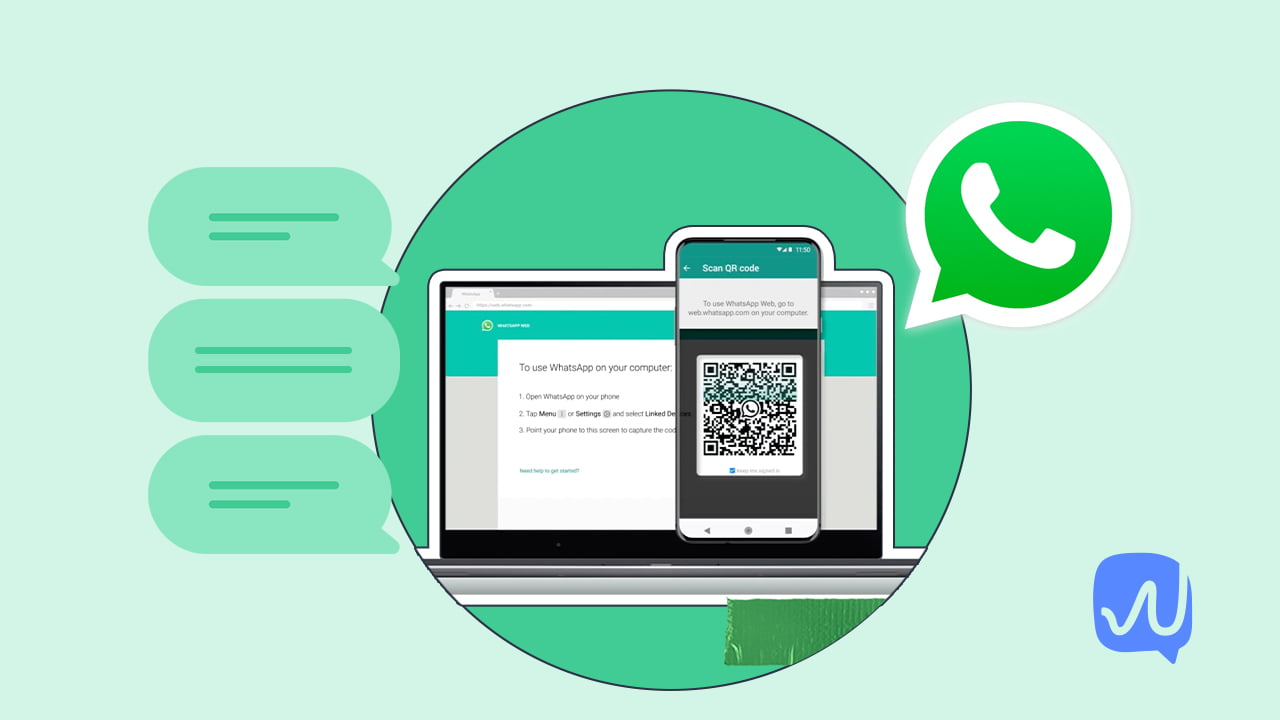
What a web Solana wallet actually does (and why it’s handy)
First, a quick reality check. A web wallet is basically a UI sitting on top of the Solana network that manages keys, creates transactions, and asks you to sign things. It talks to dapps using the standard wallet adapter pattern. Simple description. But the devil’s in the details—session management, signature prompts, and how the site stores any ephemeral data.
Why bother? Because with a good web wallet you get: rapid NFT browsing (thumbnails and metadata load fast), one-click marketplace connections, and seamless devnet/mainnet toggles for testing drops. And yes—if you’re the kind who likes to flip between collections on a laptop while grabbing coffee, the web flow is just nicer. I’ve used a few setups myself, and the ergonomics matter. (Oh, and by the way… UI really matters more than we admit.)
That said—there’s the security angle. Web pages are more exposed to cross-site issues. So if convenience is the desired state, then smart habits are the guardrails.
Getting started safely: practical steps
Set up clean. Seriously. Create a new wallet or import one only after you verify you’re on the right domain. My rule: pause, breathe, and verify the URL every time. Phishing shops are getting better at mimicking designs. Check certs, bookmarks, or use the direct link from a trusted source.
When you create the wallet, write the seed phrase down physically. Not on a notepad app. Not in an email draft. Paper. Ledger hardware integration is a huge win here—if you have one, use it. Ledger + a web interface equals convenience plus a strong security boundary. Initially I thought software-only was fine, but when I tried an airdrop test on devnet and then connected to something odd, having the Ledger saved the day.
Limit network exposure. Use devnet for experiments and mainnet-beta for real assets. Be mindful of connected sites—revoke permissions you no longer use. Some web wallets have a connections panel; learn it and use it often. It’s quick and it avoids very very awkward surprise approvals.
Working with NFTs: what to check before signing
NFTs on Solana are usually SPL tokens that carry metadata which lives off-chain (Arweave, IPFS, etc.). So when you click “Accept” or “Sign,” ask these quick mental checks: Is the collection name right? Does the mint address match the project’s official announcement? Is the price sane compared to recent floor prices? If any of that looks off—hold up. Pause.
Also watch out for signature scopes. A legit buy or list should request a single transaction signing. But some malicious dapps try to ask for open-ended approvals that can move tokens later. If you see a “delegate” or “approve” permission that looks broad, treat it like a flashing red light. Revoke and investigate. I’m biased, but an extra five seconds to check a mint address beats a week of grief.
Another tip: preview metadata. Good web wallets show the image, the name, and attributes before you sign. If the wallet you’re using doesn’t, that’s a UX gap and a security gap. Somethin’ about seeing the art before confirming just feels right—call it instinct or UX muscle memory.
Common pitfalls and how to avoid them
Phishing links are the top hit list. They show up in DMs, Twitter posts, Discords, and even cloned marketplace pages. Rule one: never paste your seed phrase into a site. Rule two: when a site asks to connect, check URL and certificate. Rule three: when in doubt, disconnect and follow verified project links from official social accounts (with caution; even verified handles can be compromised).
Gas or fee confusion: Solana fees are tiny, but some contracts bundle multiple transactions. The wallet should show a fee estimate. If it doesn’t, that’s a red flag. Also, rogue contracts may try to drain SOL by repeatedly invoking transactions—monitor transaction queues and keep a small hot-wallet balance for convenience, while storing most funds cold.
Metadata mismatch: sometimes the image shown on a marketplace is different from the on-chain metadata. If that happens, inspect the token’s metadata account on a block explorer. It will tell you the actual URI and the mint authority. This step separates noise from truth.
How the web interface pairs with hardware wallets
Connecting a Ledger or similar device to a web wallet is straightforward in most modern web wallets, though it can be finicky depending on browser permissions. Use Chrome or Brave for the smoothest bridge. When it works, you get the best of both worlds: the convenience of a web UI and the signing security of a hardware device. My experience showed this hybrid path is the most resilient against both phishing and browser compromise—even if it takes an extra 30 seconds to sign each transaction.
FAQ: Quick answers to things people ask
Can I use a web wallet for serious NFT collecting?
Yes, but protect your seed phrase and prefer hardware signing for high-value items. Keep most funds in cold storage and use a small hot-wallet balance for day-to-day activity.
Is the web version less secure than an extension?
Not necessarily. Security depends on implementation and your habits. A well-built web wallet with hardware support and clear permission controls can be safer than a poorly configured extension. Still—be cautious with approvals and check origins.
How do I spot a phishing site?
Check the URL and SSL, confirm the project’s official channels, don’t follow random DMs, and if a site pushes urgency (“claim now!”) treat it as suspect. If something feels off, my gut says pause—listen to it.
Where should I go to try a trustworthy web wallet?
If you’re exploring a web-first interface for Solana wallets, consider starting at a verified site such as the official phantom wallet page and follow their onboarding steps carefully.